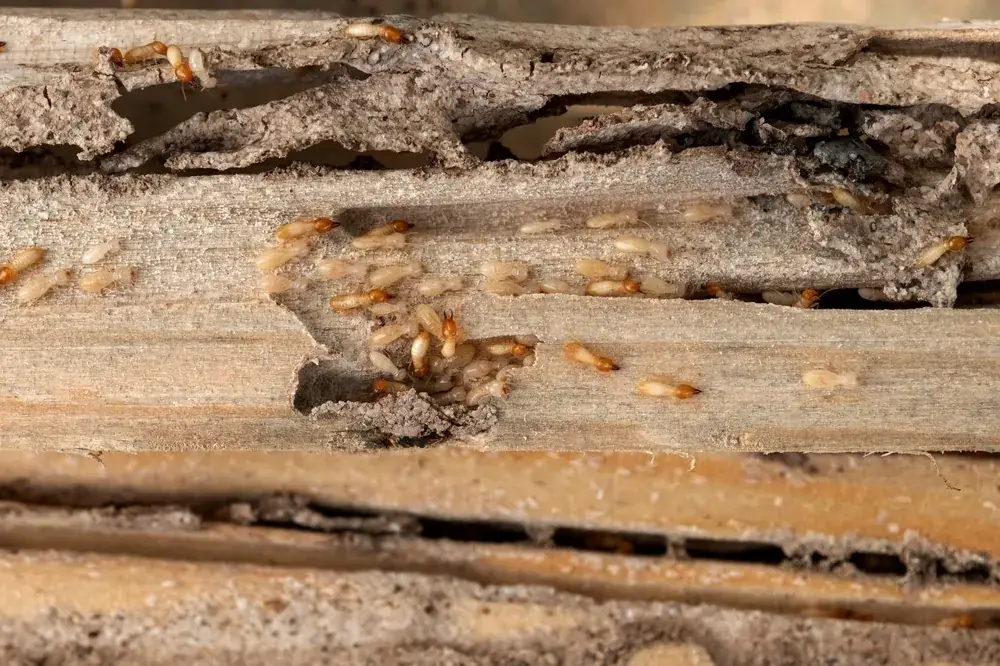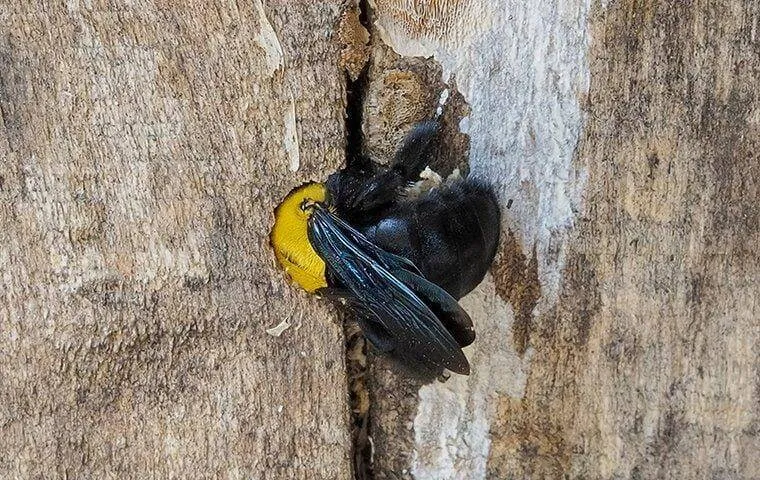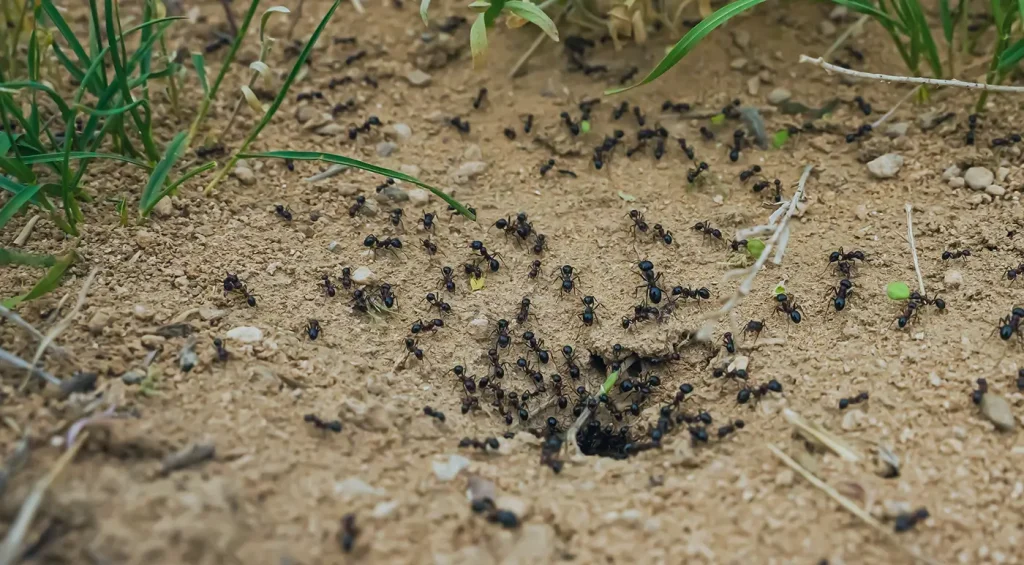


There’s a pest that plagues New York homes, responsible for over five billion dollars in prevention and damage costs each year in the United States alone. Known as “silent destroyers,” these insects eat their way through homes, and usually, property owners don’t even know they are there. As spring approches, they emerge from mature nests in swarms to find new spots to mate and eat. That place might be your New York property.
Termites
Termites live on every continent except Antarctica. As social insects, they live in colonies that can contain millions of termites. Termites are vital to the ecosystem as they decompose organic matter like wood with the help of microbes in their gut. Sensitive to the cold, termites take some time off during cooler months. When the ground begins to heat up again, they emerge to find new places to call home, places with plenty of wood to eat.
There are thousands of types of termites. But when it comes to infiltrating and damaging homes, there are a handful of species that cause worry for New York property owners. These few species breed quickly, increasing the risk that these termite colonies will eat their way through beams, joists, and framing wood, causing extensive damage to your home, over time. In worst cases, termites can make your home uninhabitable until repairs can be made.
What Attracts Termites To Homes?
Termites are opportunists. They look for homes with easy entry points. Entrance is often not difficult since industrious termites can wiggle their way through the tiniest cracks. While termites are most known for eating wood, they can eat through plaster and other organic materials. Termites desperately need water to digest the cellulose found in decaying matter, so they seek out areas where there is plenty of moisture. Their preferred diet consists of damp wood, which they break down and digest with ease.
Termites prefer seclusion, which is why infestations can go unnoticed until the damage is severe. Homeowners might notice a mildew smell or even bubbles and swells that resemble water damage around wood, floors, and ceilings. Prevention is key to keeping termites out of your New York property.
Four Key Prevention Steps to Preventing Termites
The best prevention focuses on making your home an unattractive meal for termites. By making the environment less attractive, property owners can make it difficult for termites, which might cause them to seek out another residence.
- Eliminate soil-to-structure contact: Soil-to-structure contact is a common way termites breach homes. Termites easily burrow through wood that directly touches the soil. Property owners can inhibit this by installing barriers like concrete between the soil and any wood that leads directly into the home.
- Store wood away from your home and off the ground. Woodpiles are a termite’s dream spot as well as a dream spot for many other insects. Relatively undisturbed, termites will lay their eggs in the rotting wood. But the trouble comes when homeowners transport the termites inside when burning wood during the winter. A great way to reduce the risk of termite infestations is to store firewood at least 30 feet from your home. Wood should not be piled directly on the ground but elevated, making it less easy to access by termites and other insects.
- Clean up areas around the foundation of your home and in the yard. Remove weeds and trim back bushes and tree canopy to allow the area around your perimeter to dry out. The dryer you can make things, the more termite-resistant your home will be since termites are attracted to moist, rotting wood.
- Address moisture issues in and around your home. Since termites absolutely need moisture to survive, eat, and breed, parole your home often to locate and fix any leaks, cracks, or areas where water pools. Direct any drains around your home away from the base of the property. You could use a dehumidifier inside for areas like the kitchen, and bathrooms that maintain excess moisture.
The best way to prevent and control termites comes with professional assistance from BHB Pest Elimination. BHB Pest Elimination has been assisting New York property owners to stave off termites and protect their most important assets. Call BHB Pest Elimination today.