

Stinging insects aren’t only a nuisance; they can pose a serious health threat to humans and animals. If you’ve ever been stung by one of these insects, you know how painful it can be. And if you’re allergic to their venom, a sting can be life-threatening.
There are several species of stinging insects found in New Jersey, including bees and wasps. Contact a New Jersey pest control firm if you’re concerned about these insects on your property.
Under no circumstances should you try to remove these insects yourself. Not only is it dangerous, but it’s also illegal in New Jersey to kill honey bees and some other stinging insects.
The best way to protect your property from these pests is to hire a professional pest exterminator.
What Types Of Stinging Insects Are Common For The New Jersey Area?
There are several stinging insects in New Jersey. The list of stinging insects in New Jersey includes:
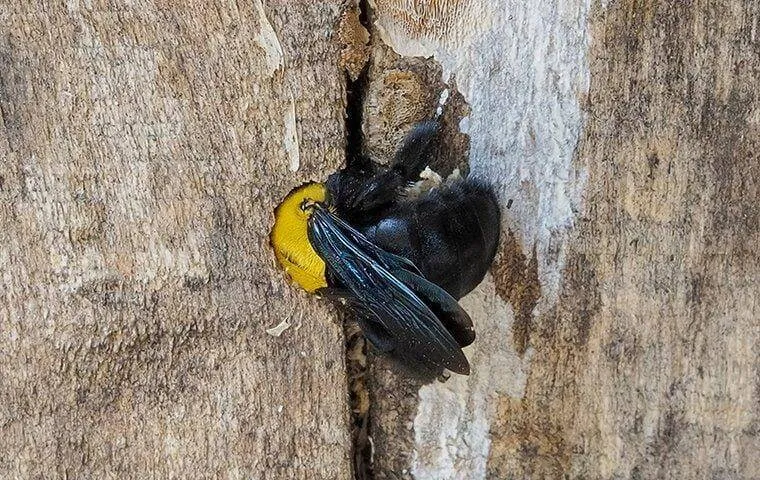
- Bees: Honey bees, carpenter bees, and bumblebees are all found in New Jersey.
- Wasps: Common wasps in New Jersey include yellow jackets and paper wasps.
- Hornets: European hornets, Bald-faced hornets, and Cicada killers are all found across the state.
Understanding what attracts the various types of stinging insects to your property is the first step in getting rid of them.
There are a few things that will attract stinging insects to your property. Some of the most common things that attract these pests include:
- Food. Any food can attract stinging insects, especially sweets and fruits.
- Water. Stinging insects need water to survive, so having standing water on your property may attract them.
- Nesting sites. Some stinging insects will build nests on your property if they find the right conditions.
Keep your family and pets safe from insect bites and stings by hiring a professional pest exterminator near you.
The pros can safely and efficiently remove and relocate stinging insects from your property. They can also help you take steps to prevent future infestations.
Where Do The Stinging Insects In New Jersey Live?
Stinging insects can be found all over New Jersey. They often build nests in trees, bushes, and on the sides of buildings. Some stinging insects will even build nests underground.
If you come across the worst stinging insects – hornets – or any other type of stinging insect, don’t try to remove them yourself. It’s best to contact a professional pest control company that can safely and effectively eliminate these pests for you.
How Effective Are Home Remedies For Removing Stinging Insects?
With the rise of the internet, there are a lot of home remedies for removing stinging insects that you can find online. However, not all of these home remedies are effective. In fact, some of them can even be dangerous.
The best way to remove stinging insects from your property is with the assistance of a professional pest control company. Professionals have the training, experience, and tools to effectively remove these pests.
So, do the wise thing and contact a professional stinging insect control contractor if you have a stinging insect problem on your property.
There Are So Many Stinging Insects In My Yard! What Should I Do?
Stinging insect identification is vital to determine the best means of their removal. If you have a lot of stinging insects in your yard, contact a local and reputable professional pest control company. We’ll effectively identify the type of stinging insect and develop a treatment plan accordingly.
BHB Pest Elimination is your go-to company for all your stinging insect needs. We’re versed in handling all stinging insects around New Jersey. Get in touch with us today to schedule a free consultation. We’ll be more than happy to help you keep your family and pets safe from the danger of stinging insects.