

New York and New Jersey Pest Experts
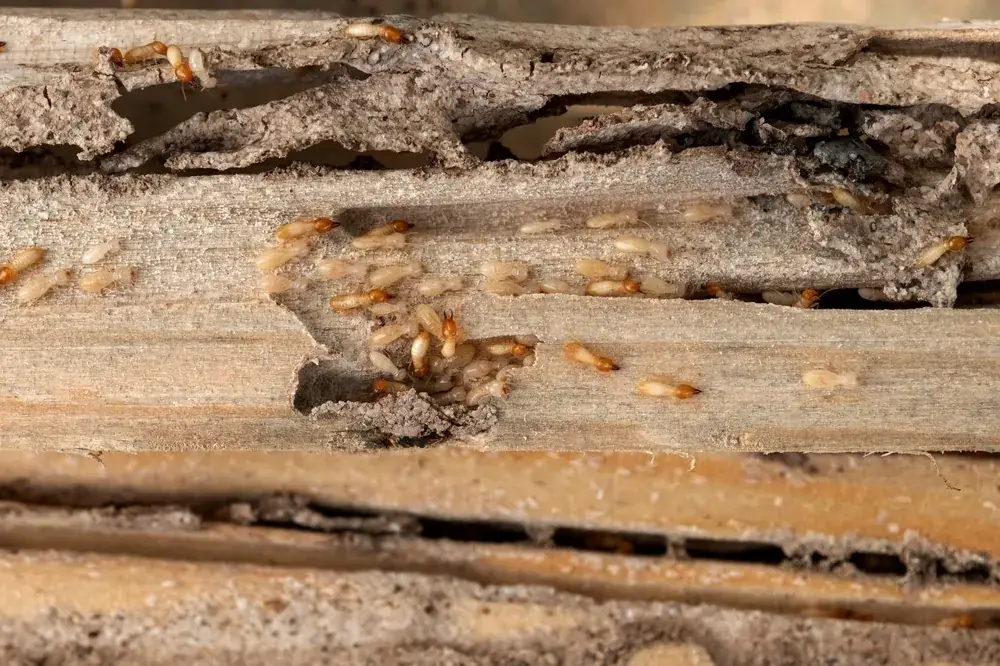
It’s that time of year again. A time where our stomachs are still full from the months of holiday leftovers–but the wood-munching critters that inhabit our walls are still munching away, never full, never satisfied. New York has its busiest termite season between March and May and while these critters are technically active year-round, these next few months are especially dangerous for homes.
One indication that your home may be under attack is the presence of termite swarmers. These winged pests will show up in or around your home uninvited and it typically means the entire family came along with them. Let’s learn all we can about these frustrating flyers and discover everything New York property owners ought to know about termite swarmers.
What Exactly Is A Termite Swarmer?
During termite season (springtime when termites are most active) mature colonies produce swarmers. These tiny terrors are the winged adults that leave their colony to mate and establish new colonies. They are distinguishable from other types of termites by their two sets of uniform wings, broad waist, and straight bead-like antennae.
Termite swarmers crawl around more than they actually fly and they lose their wings rather quickly. Swarmers don’t actually cause damage to the wood in your home, as that’s left up to the worker termites that rarely ever expose themselves to light and open air.
While you are more likely to see swarmers during the spring, this doesn’t mean termites aren’t busy year-round. These wood-munching menaces don’t take vacations. They work 365 days a year.
What Does A Swarmer Sighting Mean?
Unfortunately, when you see a termite swarmer inside your home, it typically means there’s already a colony full of worker termites active somewhere inside your house. Killing any swarmers you see won’t be much help in getting rid of the already active colony inside your walls, so be sure to consult a pest professional as soon as you can.
Where You’ll Find Termite Swarmers
On the inside of your home, you’ll typically find termite swarmers or their discarded wings around windowsills. There are two reasons for this, one is the fact that they’re attracted to light, and the other is that the swarmers’ job is to leave your home and find a mate so they’re always looking for the nearest exit. On the outside of your home, you may find swarmers near old tree stumps or large, undisturbed piles of wood near your home.
How To Reduce The Chances Of A Termite Infestation
Termites are crafty and resourceful creatures but there are steps you can take to make them feel unwelcome inside your home. By following the steps below, you’ll effectively reduce the likelihood of termites entering your home.
- Never place firewood or wood debris directly against your home.
- Reduce moisture and humidity in crawl spaces.
- Don’t let moisture accumulate near the foundation of your home.
- Eliminate any wood on the exterior of your home that’s in direct contact with the ground.
How BHB Pest Elimination Can Help
The best form of termite protection is professional assistance. Regardless of how determined you are to rid your home of these pint-size pests, their tiny size and resourceful nature make them very difficult to completely eradicate from your home. At BHB Pest Elimination, we have years of experience finding and eliminating termites in the safest and most efficient manner possible.
We inspect your home thoroughly to find existing nests or trouble spots that could attract termites in the future. We then apply the industry’s safest and most effective methods to get rid of your termite problem for good. Schedule your free inspection today or contact us at (201) 656-3380 with pest-related questions. We are here to help.