
 4.9
 850 reviews
Learn how pantry pests get into stored food, what they invade, and how to keep them out of your kitchen.
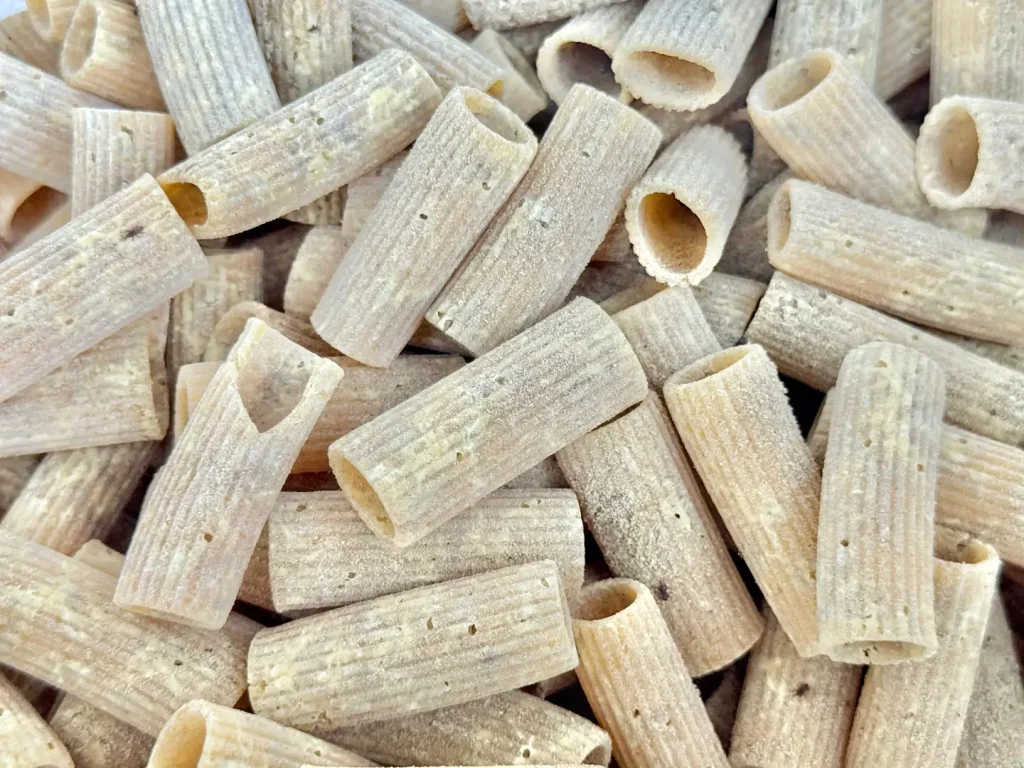
Pantry pests are beetles, moths, and weevils — like drain beetles, flour beetles, and Indian meal moths — that invade dry goods. They breed quickly, making them frustrating to control, and their larvae contaminate food with saliva and excrement.
Drain beetles, flour beetles, and Indian meal moths
Stored food products purchased already infested with larvae or eggs
Flour, cornmeal, cereal, crackers, dry pet food, dry spices and herbs, birdseed
Kitchen and pantry areas in homes, as well as grocery stores and food storage facilities
Contaminate food with saliva and excrement, but don't bite, sting, or damage structures
Finding pantry pests in your dry goods?
Pantry pests breed quickly once they're in your kitchen. Call BHB and our team will help you understand the right next step.
The most common way pantry pests move into a home is inside stored products already infested with larvae or eggs when purchased.
Pantry pests most often arrive already living in stored food products bought from the store.
Once inside, larvae develop into adults, and new females lay eggs on dry goods, continuing the infestation.
Adults can also enter on their own through spaces around windows, doors, and other openings.
Flour, cornmeal, cereal, crackers, dry pet food, dry spices, and birdseed are frequent targets.
BHB Pest Elimination provides long-term solutions to eliminate pantry pests from homes and businesses, not just control them.

A professional inspection traces the infestation back to the stored product or area it started in.
Discarding infested products stops the larvae from continuing to spread to other stored food.
Removing food from original packaging into airtight plastic or glass containers keeps new products protected.
Replacing damaged window and door screens keeps adult pantry pests from getting in on their own.
Tell us what you are seeing and whether this is for your home or business. Our team will help you with the right next step.
Prefer to talk it through?
Skip the form and call (201) 656-3380 now.
Not necessarily — the most common way pantry pests get in is inside stored products that were already infested with eggs or larvae when purchased.
No — they don't bite, sting, or damage structures, but they contaminate food with saliva and excrement, so infested products should be discarded.
Flour, cornmeal, cereal, crackers, dry pet food, dry spices and herbs, and birdseed are the most commonly invaded.