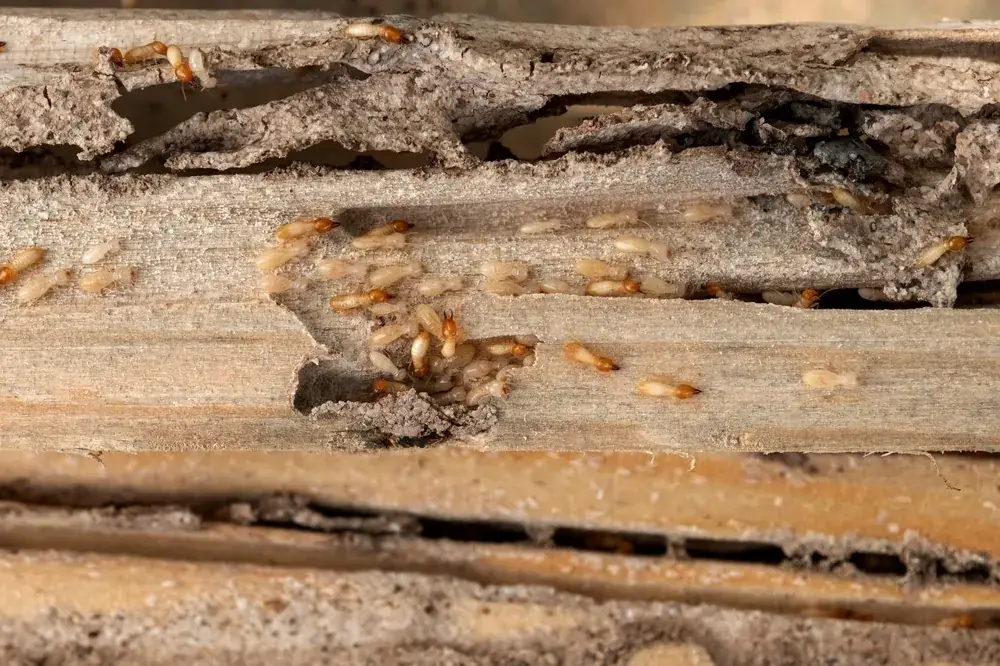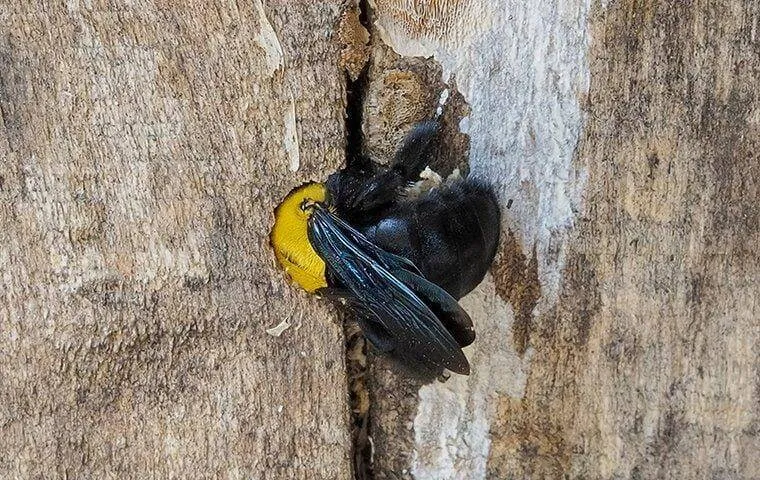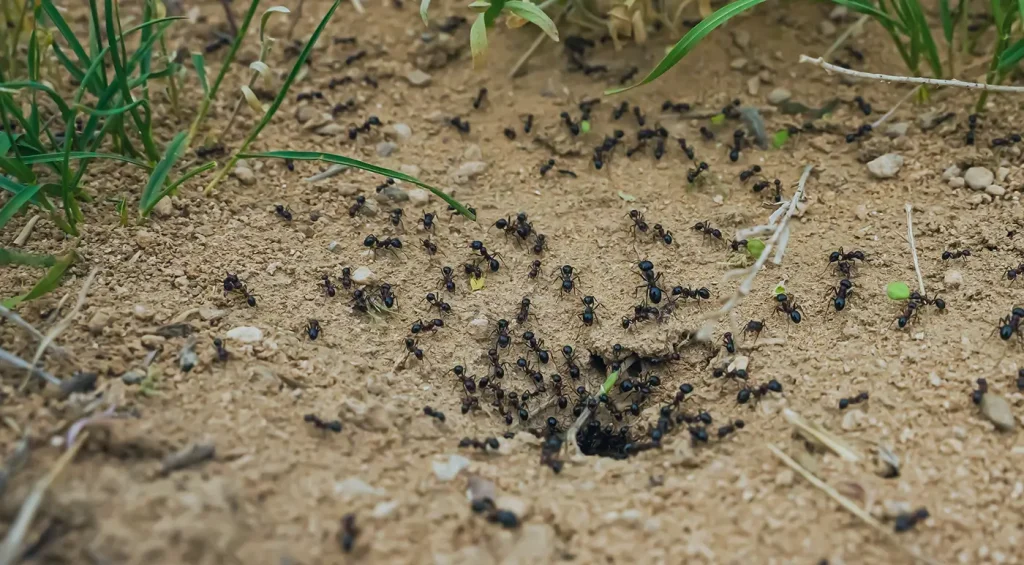


Termite season can be a confusing term for homeowners in New York and just about everywhere else. Normally, the word “season” indicates when a pest is active. For instance, bee season means bees are actually out of the hive flying around. However, termite season doesn’t mean “the season of active termites” because termites remain active all year round. Instead, termite season refers to when termites are breeding. This can technically occur at any point during the year, but there are times of the year when it’s a whole lot more likely to happen.
Signs Of Termites In New York
Termites are real homebodies when they’re not breeding. That means you might not notice you have a termite problem right off the bat. Instead, termites could go on chewing through your walls and reproducing for months or even years before you notice anything’s amiss. This is one of the reasons why termite removal is so much more costly than preventative termite control – you probably won’t see them until they’ve become endemic and done severe damage.
If you want to catch a termite problem before it knocks your house down, look for signs like:
- Piles of white wings around windows or on floors.
- Active swarms of winged termites.
- Damage to wooden components of your home that looks like water damage sans the water.
- Buckled floors, sagging ceilings, warped walls, and other deformities.
- Windows and doors that don’t fit.
- Tunnels through visible wooden components like decking or railing.
When Is Termite Season In New York?
As we said, termite season means the time termites are breeding. Depending on the termite variety, this could occur from spring to fall. However, most termites prefer spring. Breeding season is typically most intense from March to May. Termites like to wait for warm days with low winds to send out alates–winged reproductive males and females.
The alates’ job is to pair off, mate, and begin new satellite nests, often very close to the location of the parent nest. That means termite infestations might be active all year, but they’re usually actively growing in the spring. This is why termite control is critical this time of year to ensure active termite infestations don’t continue to get worse.
How Hard Is It To Get Rid Of Termites In New York?
If you already have a termite problem, getting rid of it can be extremely difficult. Termite removal usually entails getting termites out of your whole house and repairing all the damage they’ve done. This can take forever and cost thousands.
Prevention is a whole lot easier. To keep termites away from your home, you’ll need to take a few simple steps to make it harder for them to get in and make your home so unattractive to them that it isn’t worth the effort:
- Keep tree branches and shrubs trimmed away from your house.
- Store firewood off the ground and far away from your home.
- Ensure there are at least six inches between your foundation and any mulch.
- Seal up all cracks and holes in your home’s exterior.
- Get rid of all water-damaged or rotten wood in your home.
- Avoid moisture accumulation by fixing leakage or drainage issues and using dehumidifiers.
Why Termite Control In New York Is Necessary
Termite control in New York is essential because termites are so destructive. They’re the single most dangerous pest to your home because they can destroy it by wrecking its wooden support structure. This is the main reason why you need to have a professional pest control preventative plan in place to help you avoid an infestation rather than treating one. At BHB Pest Elimination, that’s our specialty! We can help you deal with your existing termite problem and help you tailor a plan to prevent them before you have a problem. So give us a call or visit our contact page to get started!