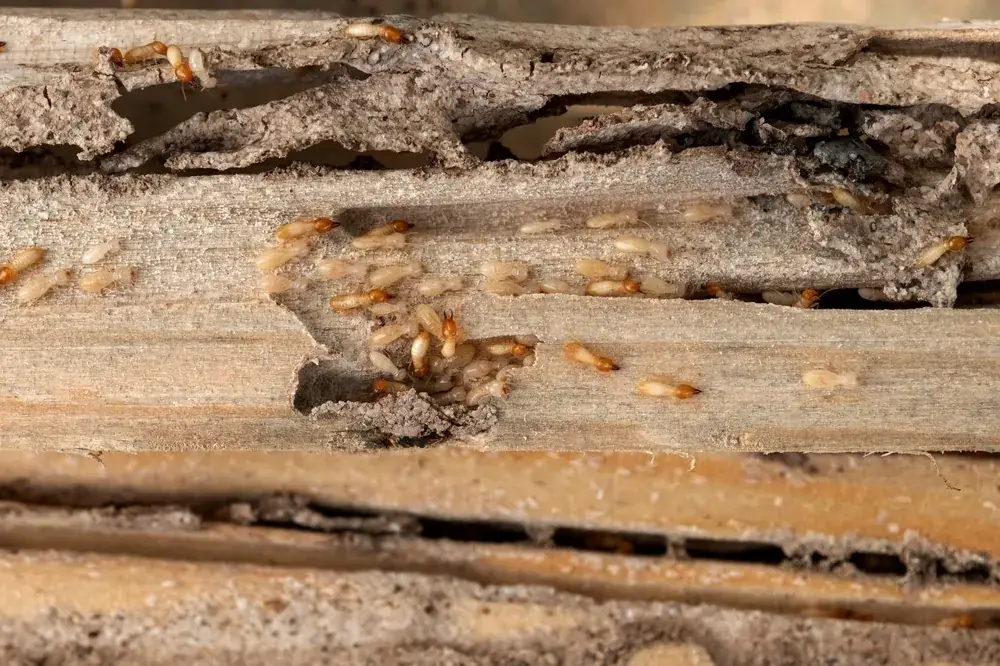


Termites are destructive, and the situation may be too expensive to remedy if you don’t eradicate the pests on time. Termites thrive in moist areas where they can find decaying wood. For starters, you can find the pests on woodpiles near the house. If this is the case, you can reduce termite access by stacking firewood at least 5 feet above the ground and 20 feet from the house.
Another factor is excess foliage. You risk a termite infestation whether you have a decomposing stump or an entire dying tree. Additionally, clogged gutters invite termites if you have rotting wood on your roof. Mulch also attracts pests, and as such, you should maintain at least 15 inches from the home’s foundation when mulching flower beds.
What You Need To Know About Termites in New York
Though they rarely bite, sting, or transmit infections, you prevent structural damage when you get rid of house termites. For example, termites in New York damage walls by eating into loose paneling, damp spots, and woodpiles. The termite season in New York also spells danger to your household items. You may not see the damage, but your beds, cabinets, and photo frames might be falling apart from the inside. Active termites can also destroy the property’s foundation.
What Does a Termite Swarm in New York Look Like?
Most homeowners can only tell the start of the termite season in New York when they see a swarm. A swarm describes a flight of winged insects whose primary purpose is breeding and creating new colonies. Ordinarily, termites in New York swarm on warm days after it rains. Spring is ideal for termite swarms since the sun and rain combination allows insects to leave their mature colonies in search of new ones.
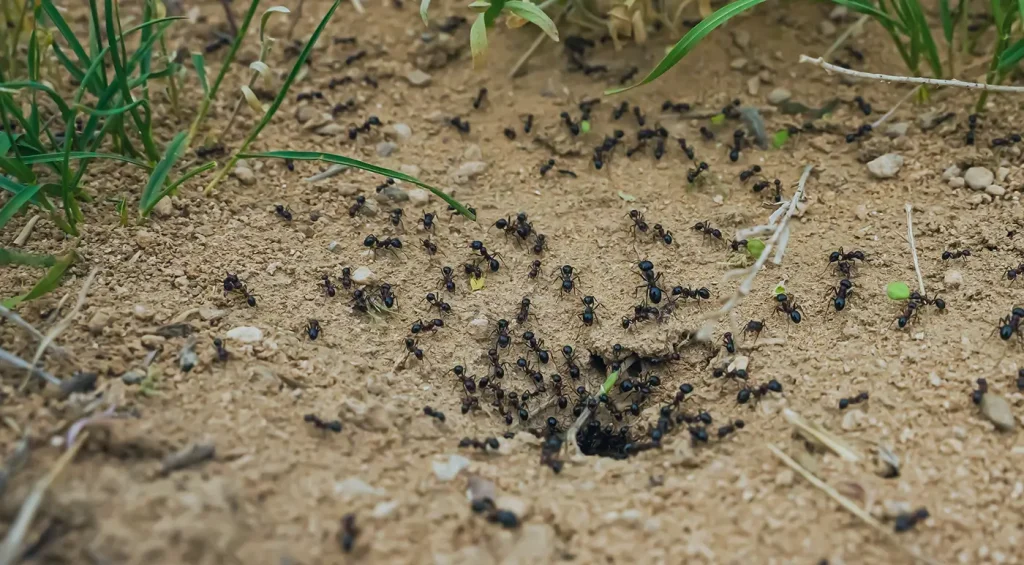
While eastern subterranean termites appear between March and May, you can spot dark southeastern subterranean swarms from March to June. The first sign of termite swarms is discarded wings near doors, windows, and other access points. Termites shed their wings when they find a place to establish their colony since they won’t use them again. You can differentiate termites from ant swarms by the size of their wings. While all the wings of active termites have the same size, an ant’s front wings are larger than the rear wings.
What Is the Best Way To Identify Termite Damage on My Property?
You might not spot the insects, but a termite problem in your house presents some apparent signs. The first one is mud tubes. By building pencil-width tunnels near the property’s foundation, termites can access food without the threat of predators. You can also listen for signs by tapping on walls and other wooden sections of your house. Hollow sounds are a sign of the wood-boring pests. You might also hear rustling noises as termites move through their chambers.
Another clue is blistered floors. Your floor is likely to swell when termites eat the wood under your floors. You might even mistake it for water damage. But this destruction isn’t limited to areas close to the ground. You may need termite and pest control services if there are cracks in wooden ceilings and beams. Not forgetting stiff doors and windows that arise from termite damage on door and window frames.
How Do I Keep Termites Away From My New York Property?
You can prevent a termite invasion by:
- Fixing leaks
- Decluttering your space
- Weatherstripping
- Clearing rotten wood from your property
Though you can try DIY termite and pest control methods, you need a professional with the right tools to flush the insects out of their hiding spots. An expert also applies products and materials correctly to protect your health and the environment. Do you have a termite problem in your house? Contact BHB Pest Elimination to get rid of house termites and other unwanted pests.