

Fleas in NJ homes can remain active long after summer ends, even in households without pets. The first signs are often itchy ankles, unusual pet scratching, flea dirt, or tiny insects jumping across the floor. Finding a few fleas doesn’t necessarily mean the problem is small. Understanding where they come from, what keeps them active indoors, and how to address the infestation can help homeowners prevent recurring problems.
What Are the First Signs of Fleas in a New Jersey Home?
Most homeowners discover fleas because someone is getting bitten or a pet is scratching more than usual. You may not see the insects immediately, especially when activity is limited to certain rooms or resting areas. A few simple checks can help determine whether fleas are responsible.
Itchy Ankles and Tiny Jumping Insects
Flea bites frequently occur around the ankles and lower legs, where the insects can reach people moving through infested areas. Reactions vary. Some people develop small, intensely itchy bumps, while others show little irritation.
Adult fleas are small, dark, wingless insects that jump rather than fly. They can be difficult to spot against carpeting or dark floors, but their movement is often noticeable.
Try wearing white socks while walking slowly through a room where bites have occurred. Fleas may jump onto the fabric, making them easier to see. Check near rugs, upholstered furniture, and places where animals spend time. If you find an insect, a clear photograph or collected specimen can help with identification.
Scratching Pets and Flea Dirt
Dogs and cats may scratch, bite at their skin, or groom more frequently when fleas are present. Some develop irritation or hair loss, particularly around the lower back and tail. A pet that seems unusually uncomfortable deserves a closer examination.
Look for flea dirt, which resembles dark pepper-like particles in the coat. It consists of flea feces containing digested blood. A flea comb is useful for checking the fur, especially around the neck, back, and base of the tail.
Place any suspicious particles on a damp white paper towel. Flea dirt often leaves a reddish-brown stain as it dissolves. If your pet continues scratching but you cannot find fleas, consult a veterinarian. Allergies and skin conditions can cause similar symptoms.
What One or Two Fleas Can Tell You
Finding a single flea does not prove that a household infestation is established. Repeated sightings, confirmed flea dirt, or fleas appearing in several locations provide stronger evidence that the problem needs attention.
Start by noting where you find them. Fleas repeatedly appearing beside a pet’s bed may point toward a nearby resting area. Activity in a room that rarely contains pets may suggest another source.
These observations can make a later inspection more useful. Record the rooms involved, where bites occur, and whether any animals have recently used those spaces.
Why Fleas Can Remain Active During New Jersey Winters
Flea problems are often associated with summer, but cold weather does not automatically eliminate an indoor infestation. Heated homes and the presence of animal hosts can allow flea activity to continue through the colder months.
Heated Homes Can Support Flea Activity
Indoor temperatures can remain favorable for fleas even when outdoor conditions are not. Pets may continue carrying adult fleas, while carpets, bedding, and other protected locations provide suitable environments for development.
Temperature, humidity, and access to hosts influence how long an infestation persists. Finding fleas in December or January may therefore reflect an existing indoor problem rather than a recent introduction.
Why Fleas Sometimes Appear in an Empty Room
A previously unused room may suddenly show flea activity when someone enters it. Fleas can remain protected inside cocoons before emerging as adults, and movement or body heat can signal that a host is nearby.
This delayed emergence explains why fleas sometimes appear after a home has been vacant or a room has remained undisturbed. A sudden sighting does not necessarily mean the insects recently entered the property.
Where Do Fleas Come From if You Have No Pets?
Pets are a familiar source of fleas, but households without dogs or cats can experience infestations too. Fleas depend on animal hosts for blood meals, and several animals besides household pets can bring them near a building.
Dogs, Cats, and Their Resting Areas
The cat flea is a common household species and can infest both cats and dogs. Pets may encounter fleas outdoors or in places where infested animals have spent time.
Once fleas reproduce on an animal, their eggs can fall into bedding, rugs, furniture, and other resting areas. The problem may therefore extend beyond the animal’s coat.
Check the places your pets use most often. A favorite sofa cushion or sleeping mat can be more relevant than a room where the animal rarely goes.
Rodents and Wildlife Around the House
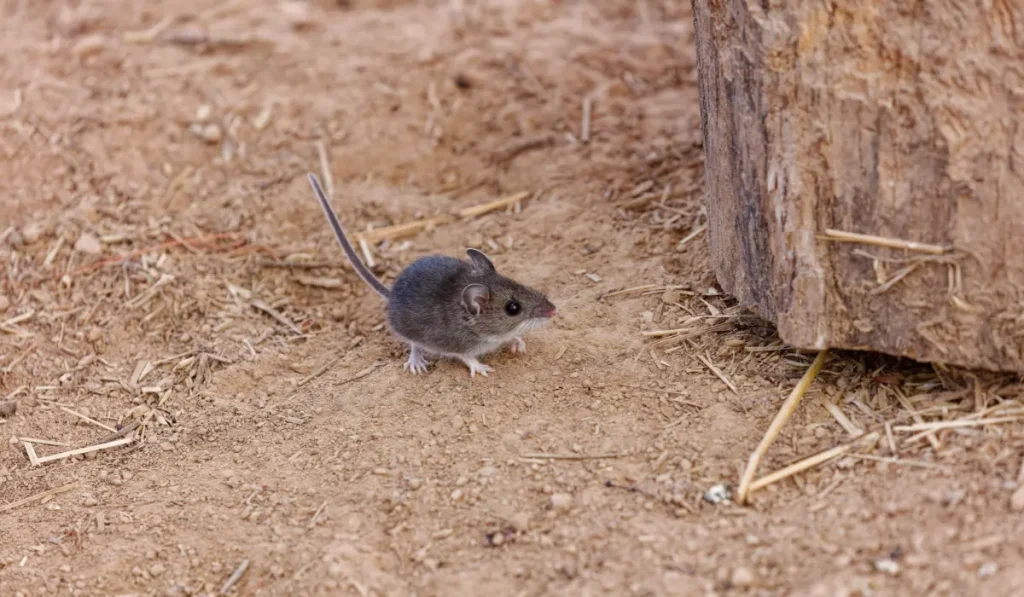
Rodents and other wildlife can introduce fleas into sheltered areas around residential buildings. Crawl spaces, spaces beneath porches, and animal nesting locations deserve consideration when fleas appear without an obvious pet source.
The New Jersey Department of Health’s Integrated Pest Management Manual for Homes identifies rats, feral cats, raccoons, opossums, and other animals as possible flea sources.
Look for evidence of animal activity, including droppings, nesting material, or openings used to enter the building. These signs do not prove that fleas came from wildlife, but they may help identify conditions sustaining the problem.
If rodents are active inside the structure, addressing their access points and nesting areas is important. Flea treatment alone may not resolve a problem when an infested animal source remains.
Shared Yards and Outdoor Resting Spots
Outdoor flea activity often concentrates where animals rest rather than being distributed evenly across a yard. Shaded locations beneath vegetation, decks, and porches can provide more favorable conditions than exposed areas.
This matters in neighborhoods where pets, stray cats, or wildlife use shared outdoor spaces. Even a mostly indoor pet may encounter fleas if it spends time in an infested resting area.
Investigate where animals regularly gather before treating an entire yard. An inspection focused on likely animal resting spots is more useful than assuming every outdoor surface is equally affected.
Why Flea Infestations Keep Coming Back
Seeing new fleas after cleaning or treatment can be frustrating. The reason often lies in the flea life cycle, which includes stages that are harder to reach than visible adults.
The CDC’s flea life-cycle guidance identifies four developmental stages: egg, larva, pupa, and adult. Each responds differently to environmental conditions and control measures.
Eggs and Larvae Develop in Household Materials
Flea eggs laid on an animal can fall into carpets, bedding, upholstery, and floor crevices. Under suitable conditions, they hatch within approximately 1 to 10 days.
The larvae seek dark, protected locations and feed on organic debris, including flea dirt. Because they remain out of sight, their presence can be overlooked even when adults are visible.
Cocoons Protect Developing Fleas
After the larval stage, fleas form cocoons that protect them during pupal development. Adults can remain inside these cocoons until conditions favor emergence.
This stage helps explain why flea activity may continue after an initial treatment. Some insects emerge later, even when earlier control measures have reduced the number of visible adults.
What It Means When Fleas Return After Treatment
New sightings shortly after treatment do not automatically mean the treatment failed. Fleas may be emerging from cocoons that were already present when treatment began. Continued reproduction, untreated pets, or an overlooked animal source can also contribute to recurring activity.
Flea control is a process rather than a single event. Some reduction in adult activity may occur early, but completing control can take considerably longer. The CDC notes that moderate to severe infestations may take months to resolve because different flea stages require ongoing attention.
Monitor how frequently fleas appear and whether activity is decreasing. Follow-up treatments may be needed, with timing determined by the products used, label directions, and the treatment plan. If sightings remain frequent or increase, contact the pest control provider to reassess the infestation rather than assuming that waiting alone will solve it.
Flea Bites vs. Bed Bug Bites: How to Tell the Difference
Flea bites and bed bug bites can cause similar itching, redness, and swelling. The appearance of a bite alone cannot reliably identify the insect responsible.
The location of the activity, how the insect moves, and physical evidence around the home are more useful clues.
| Identification Clue | Fleas | Bed Bugs |
| Common bite areas | Ankles and lower legs | Exposed skin during sleep |
| How they move | Jump | Crawl |
| Where to inspect | Pet bedding, carpets, upholstered furniture | Mattress seams, bed frames, furniture near beds |
| Additional signs | Flea dirt, scratching pets, jumping insects | Shed skins, live insects, dark spotting |
| Are bites enough to confirm the pest? | No | No |
Look Beyond the Bite Pattern
Fleas commonly bite lower legs, while bed bugs are often associated with bites noticed after sleeping. Both can bite elsewhere, and reactions differ between people.
Although bed bug bites may appear in lines, clusters, or scattered patterns, these arrangements are not exclusive to bed bugs. Similar marks can result from fleas or other causes of skin irritation.
A jumping insect or flea dirt provides stronger evidence of fleas than the shape of a bite. For suspected bed bugs, examine the sleeping area for live insects, shed skins, and characteristic spotting.
Inspect the Right Locations
If you suspect fleas, begin with pet bedding, carpets, furniture, and floor edges. Use a flea comb if animals live in the home.
For possible bed bugs, examine mattress seams, bed frames, headboards, and nearby furniture. A flashlight can help reveal insects or other evidence in narrow gaps.
If you cannot identify the pest, collect a specimen when possible rather than applying different treatments based on guesswork.
How to Get Rid of Fleas in Your House
Successful flea control involves treating affected pets, cleaning areas where fleas develop, and addressing any continuing source. These steps should work together, especially when an infestation has spread beyond one room.
Treat Pets With Veterinary Guidance
If fleas are present on your dog or cat, ask a veterinarian which treatment or preventive product is appropriate. The choice depends on the animal’s species, age, weight, and health.
All household pets may need protection, even if only one has visible fleas. Otherwise, untreated animals may continue providing hosts.
Follow product labeling carefully. Never apply a dog-only flea product to a cat, and do not use household insecticides directly on animals unless the label specifically authorizes that application.
Vacuum the Areas Where Fleas Develop
Regular vacuuming helps remove adult fleas, eggs, and some immature stages, along with the debris larvae feed on. It can also encourage adults to emerge from their cocoons.
Focus on the following areas:
- Carpets and rugs where pets rest
- Upholstered furniture and spaces beneath cushions
- Floor edges, baseboards, and accessible crevices
- Areas beneath beds and furniture
- Pet bedding and surrounding flooring
Repeat vacuuming during the control process, particularly in heavily affected rooms. Empty the vacuum promptly and dispose of its contents according to the manufacturer’s instructions.
Vacuuming is valuable, but it cannot be relied upon to remove every larva or protected pupa.
Wash Bedding and Investigate Animal Activity
Wash pet bedding, blankets, and other affected washable fabrics according to their care instructions. Prioritize items used frequently by animals.
Outside, examine sheltered resting locations near porches, decks, and sheds. If you find evidence of rodents or wildlife, arrange appropriate pest management or animal control assistance. Do not attempt to handle wild animals yourself.
After any animal occupancy has been properly resolved, sealing suitable entry points can help prevent those spaces from being used again.
Coordinate Environmental Treatment and Follow-Up
Established infestations may require environmental treatment in addition to cleaning and pet protection. Pet care and household treatment should begin together so fleas do not continue reproducing on untreated animals.
Continue vacuuming and laundering affected bedding during the treatment period. The CDC recommends follow-up treatment for established infestations, but the appropriate schedule depends on the products and methods used. Do not reapply a pesticide sooner than its labeling permits.
New flea sightings during the early stages of treatment are possible. What matters is whether activity declines over time and whether the original source has been addressed. If fleas remain active beyond the expected follow-up period, the treatment plan may need to be adjusted.
When Professional Flea Control Makes Sense
Homeowners can take meaningful steps against fleas, but an inspection becomes especially useful when the source is unclear or activity continues despite cleaning and veterinary treatment.
Consider professional assistance when fleas appear in several rooms, keep returning to the same locations, or occur in a home without pets. Suspected rodent activity or inaccessible spaces can make source identification more complicated.
An inspection can help determine where flea activity is concentrated, whether animal sources need to be addressed, and what environmental treatment and follow-up may be appropriate. Ask what activity to expect after the initial treatment, when follow-up should occur, and when continued sightings warrant another evaluation.
For homeowners in Northern New Jersey, BHB Pest Elimination provides residential pest control, including flea and tick services. If repeated sightings or unexplained bites are disrupting your home, contact BHB Pest Elimination to request assistance and discuss a treatment plan based on the conditions at your property.
Frequently Asked Questions About Fleas in New Jersey
Can Fleas Survive Indoors During a New Jersey Winter?
Yes. Heated homes can support flea activity through winter when conditions are suitable and animal hosts are available. Cold outdoor weather does not necessarily eliminate an infestation already established inside the house.
Can You Have Fleas Without Dogs or Cats?
Yes. Rodents, wildlife, visiting animals, and infested environments can introduce fleas. In homes without pets, investigating animal activity around the building can help identify the source.
Will Vacuuming Alone Get Rid of Fleas?
Vacuuming helps reduce flea activity, but it may not eliminate an established infestation. Repeated cleaning, appropriate pet protection, and environmental treatment may be necessary.
How Long Does It Take to Get Rid of Fleas?
Flea activity may begin declining after treatment, but that does not mean every flea has been eliminated. New adults can continue emerging from protected cocoons, so follow-up is often necessary. Moderate to severe infestations may take several months to control, according to the CDC. The actual timeline depends on infestation severity, the treatment methods used, and whether pets and other sources have been addressed. Homeowners should follow their treatment provider’s schedule and monitor whether sightings decrease rather than expect all activity to stop immediately.