

While there are many types of pests, people in New York dread dealing with stinging insects. As the name implies, they are known to cause a stinging sensation, whether through a bite or a stinger. Some of the most commonly known pests of this nature are bees, wasps, fire ants, and hornets. With such a wide range of species, it’s critical to understand the three basic things everyone in New York ought to know about stinging insects plus a little more.
The Problems They Cause
Besides the immediate pain, the main problem with stinging insects is they often cause medical complications. Approximately half a million people go to the emergency room every year due to either an allergic reaction or an infection. However, some stings, like those from a wasp, can cause extreme reactions because there is venom in their stingers.
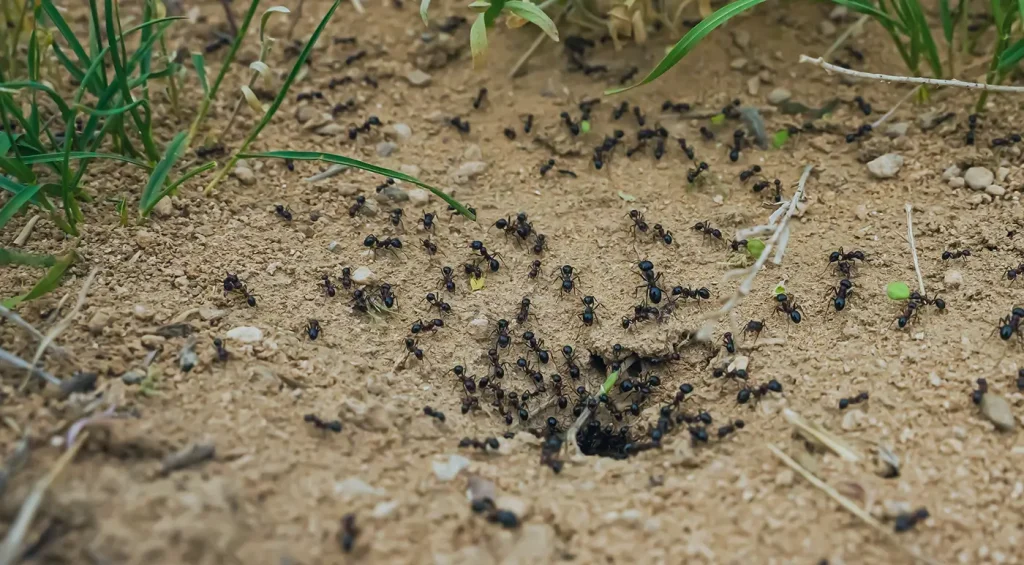
Along with the complications from the sting itself, some species of stinging insects can contribute to property damage. Fire ants, for example, create mounds in the ground that can disrupt the landscaping. Depending on where bees or wasps nest and what species invades, there could be property damage to the house or the yard.
Despite the problems they cause, stinging insects aren’t considered a public health threat since they aren’t known to transmit diseases. However, they are still quite dangerous and troublesome, which is why you need professional assistance for their removal.
What Attracts Stinging Insects?
To figure out how to get rid of stinging insects, you first need to know what attracts them in general. While this isn’t an all-inclusive list, the following reasons apply in most cases and are a good starting point.
- Trash: A failure to properly manage and regulate your trash can lead to bad smells. This smell is what attracts pests like wasps and other stinging insects.
- Pet food: Leaving pet food out is an easy way to attract stinging insects to your property or home. Stinging insects enjoy all kinds of food.
- Standing water: This one is universal and is the single biggest pest attractant. When standing water exists in gutters, in a hole in the ground, or even in a birdbath, you open yourself up to pest infestations.
How To Prevent Them From Staying
Now that you know what attracts stinging insects, you are better prepared to prevent them. The first thing you should do is identify where the nests are and then leave them alone. Professionals should address those nests. The second thing to do is focus on sealing all exterior cracks or holes to prevent the pests from getting inside.
Once you’ve addressed those two primary tasks, the next step is to identify where you’re lacking when it comes to limiting the attractants. Is your trash not properly maintained? Now is the time to address that concern. Carefully identify those factors attracting stinging insects and neutralize them for ongoing stinging insect prevention.
Why Professionals Should Handle Nest Removal
It’s not just that stings from these pests are painful, they’re often numerous. Wasps attack in groups. Fire ants are the same in that regard. Even if you’re not allergic, the impact of multiple stings in a short period cannot be overstated. As such, this reason alone is enough to justify professional pest control services.
Besides having the proper training needed to remove the nests safely, professionals also have the knowledge and ability to determine what stinging insect has invaded. Did you know that yellow jackets act differently from mud daubers? Those different behaviors mean different elimination solutions for effective results.
Manage Your Stinging Insect Problem With BHB Pest Elimination
At BHB Pest Elimination, our focus is on ensuring nothing less than quality home pest control and commercial pest control services. As such, we cover a range of pests, including stinging insects as part of our services. We’ve proudly served our community for over 50 years and have honed our approach to perfection.
Depending on your needs and budget, we offer either one-time treatments or our home protection plan. We design the one-time treatment to stop your problems in their tracks while our home protection plan puts measures in place to keep you protected every season.